
When we started working on Relax VR in January 2016, the current wave of virtual reality was just beginning. Big tech companies had announced their first affordable consumer PC-based VR headsets and many people had seen a glimpse of what VR could offer using phone-based VR headsets like Google Cardboard.
Amidst this excitement, we asked - how can this powerful new medium be used for good? Having experienced firsthand the benefits of nature and meditation, we decided to see if combining these in VR could be helpful for people.
In 2016, there were barely a handful of scientific studies that had been conducted on nature based VR environments combined with therapeutic narratives such as meditation. Given our personal experiences with nature and meditation, we decided to experiment with the combination.
Since then this combination of nature-based VR meditation has continued to increasingly and comprehensively be validated by scientific research with numerous controlled studies showing that a wide list of natural environments help promote emotional well-being, alleviate stress & pain across a range of demographics and patients.
Being in nature is better for our minds than being in urban environments, and this applies equally to VR based scenarios. VR has also been shown to be more effective than more traditional methods and tools such as visualisation, audio, or video. Combining VR with meditation has also been shown to be effective.
Over the last 10 years five peer-reviewed scientific studies have been published using Relax VR and we are proud to have contributed to this progression of knowledge and scientific literature.
Virtual reality today is synonymous with VR headsets which cater only to our senses of sight and sound. However the ultimate experience of virtual reality is one which incorporates all five of our senses. The more senses that are engaged in a VR experience, the greater the level of immersion, and the greater the sense of presence - the illusion of being physically inside the VR scene. In the context of relaxation this has real physiological implications - the greater the sense of presence, the greater the degree of stress and anxiety reduction.
During the COVID-19 pandemic lockdowns of 2020/2021, we started thinking about how we could deepen the experience of Relax VR. We knew that some of our customers already used essential oils so we started researching their efficacy and if they’d previously been used with VR. To our surprise, we found a large amount of scientific evidence about their efficacy in reducing a variety of issues including stress and anxiety, and even a handful of studies where they had been used with VR for reducing stress. We also found research showing the risks of using synthetic fragrances.
In 2021 we launched our essential oil blends, each custom made for a location in Relax VR, which were disseminated through our own patent pending device. Our custom essential oil blends served two purposes:
Relax VR was the first commercial product to offer custom essential oil blends that paired with specific locations within a VR experience for both of these purposes.
We found that people loved the essential oils and once they had experienced a location in VR with smell, they couldn’t imagine experiencing it without it. Adding smell to VR makes a significant difference to realness of the experience, and unlike synthetic fragrances essential oils also deepen relaxation.
In 2016 when we launched Relax VR on Google Cardboard, we were surprised at the number of people that immediately started downloading it without any marketing. There was clear demand from consumers for VR content that would help them relax. As we continued launching Relax VR on other phone-based VR platforms such as Google Daydream and Samsung Gear VR, we continued to see our downloads rise. We received many testimonials from users that were suffering from depression, anxiety or stress and had found relief by using Relax VR.
One thing that we didn’t anticipate early on was that businesses would find VR meditation compelling too. We got interest from the aged care industry, corporate wellness programs, universities, hospitals, dentists, spas and airlines.
Over time in addition to spas, Relax VR has been purchased by dentists, psychologists, hospitals, business wellness programs and the US Air Force. As more people see and understand the benefits of VR meditation, we anticipate this list to continue to expand.

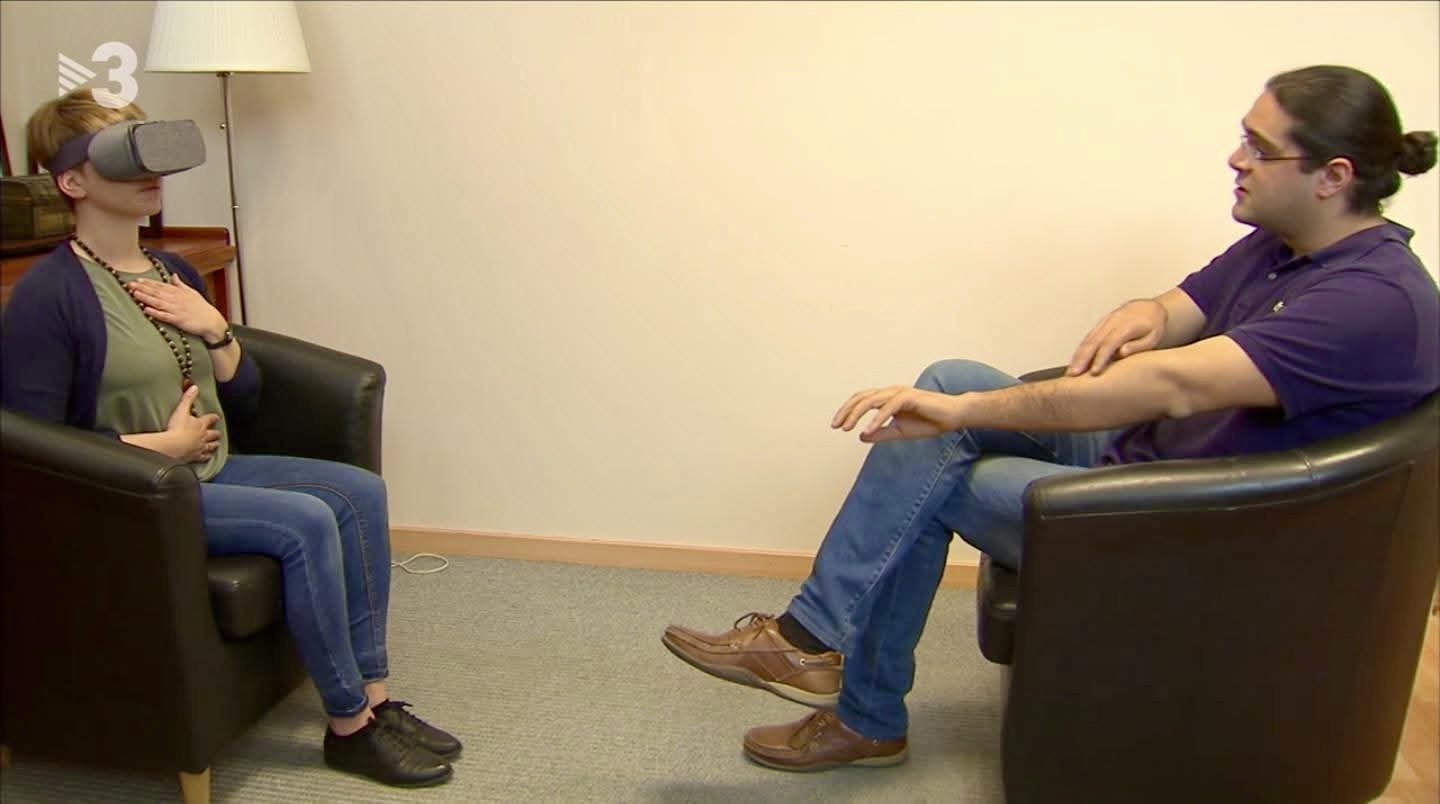
When we first started offering Relax VR to spas, we received a fair amount of scepticism. Spas are not the first places that come to mind when you think about virtual reality. While many spas have high-tech devices, most don’t. Most people’s idea of a spa session involves oil and/or water, neither of which do well with electronics.
However it was spas themselves that initially reached out to us. Lavanya Day Spa in Melbourne, Australia was looking for a new feature for their award winning spa and asked to use our VR technology. They used it as part of their Spring Seasonal treatment and loved it.
After observing Lavanya Day Spa and our other customers, we realised that spas are uniquely equipped to provide a multi-sensory experience using VR. It is precisely the fact that spas typically work with the senses of touch, taste and smell, which perfectly complements the audio-visual-heavy nature of modern VR. Seeing this, we developed a protocol guide showing how spas can create full sensory experiences using Relax VR.
By offering a full sensory experience spas are able to offer a more “true” virtual reality experience than any other industry today. This in-turn enhances the overall spa experience and improves client well-being, satisfaction and retention.
In early 2016 Meta, HTC and Sony had announced major PC-based VR headset releases for later in the year, but the only consumer VR headsets available were cheap phone-based VR headsets like Google Cardboard and Samsung Gear VR. So Relax VR launched onto Google Cardboard in April 2016.
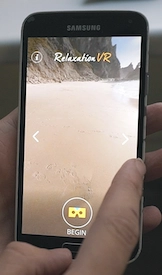
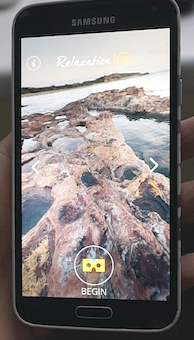
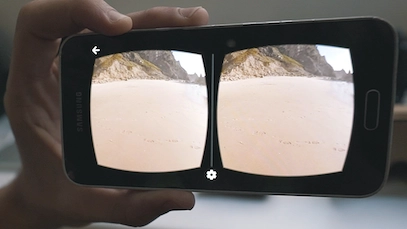
By the end of 2016, PC-based VR headsets such as the Oculus Quest had also launched. PC-VR was expensive and required a high-end PC, while phone-based VR was limited in what it could do. Both were novel and exciting but also clunky.
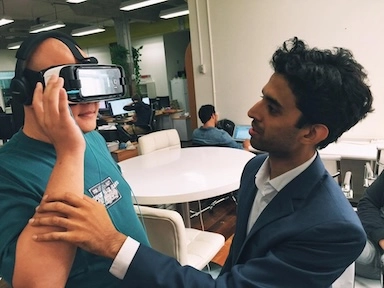
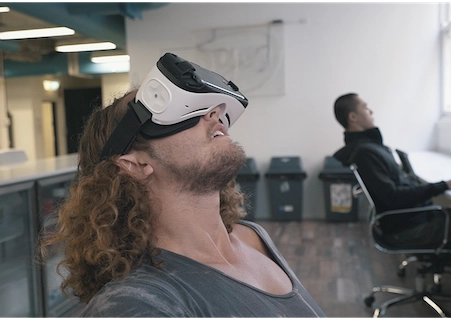
By mid-2018, the first standalone VR headsets such as Oculus Go launched and began to supplant phone-based VR headsets which by then were plagued by issues of overheating and low battery life. Relax VR also moved to standalone VR in 2018.
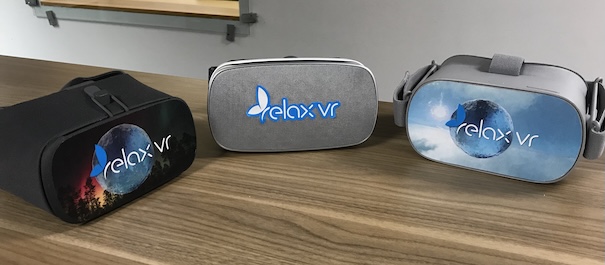
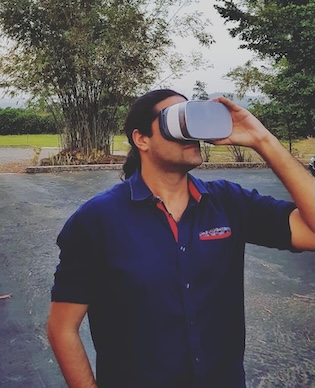
Since 2018 standalone VR headsets have continued to improve incrementally and today in 2026 they are the standard: being lighter, more powerful, more comfortable and higher resolution than ever before.
.webp)
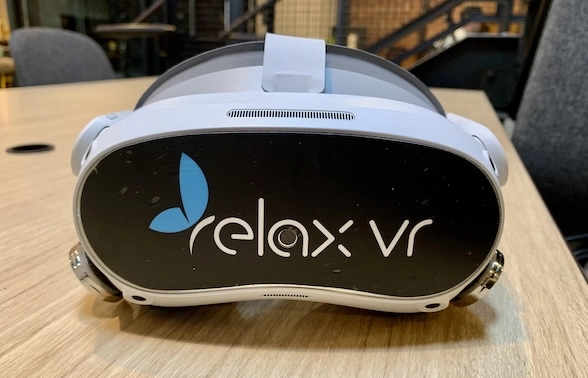
Looking into the future, we can expect these standalone VR headsets to continue to get smaller, lighter, more powerful and have higher resolution visuals. We can expect new sensors like eye tracking and biometrics. We can also expect them to increasingly become XR (Extended Reality) devices - devices that can function as AR (Augmented Reality) devices just as well as VR devices.
In late 2020 after watching the film The Social Dilemma, we went through a period of shock and deep reassessment of the social media technologies that we were using as part of Relax VR. As a company whose aim was to help people relax, how could we possibly use and promote platforms that were doing the exact opposite?
We decided to look at the scientific research and went on to publish our findings on the mental health effects of Facebook, Instagram, Tik Tok, YouTube and other social media platforms. What we found was that most of these platforms were having severely negative mental health effects on the people using them. In 2021 we closed our Facebook and Instagram accounts as we could no longer justify our presence on platforms that were not only doing the exact opposite of what we were trying to achieve, but also having other negative societal impacts.
Since then we have continued to look at the scientific research on the mental health effects of commonly used technology platforms and tools, with over 30,000 organic views of these posts. We aim to raise societal awareness about the potential detrimental effects of these technologies, promote mindful use and ultimately help improve digital wellbeing.
It is not enough to have tools and technologies that can help us relax, we also need to actively reduce or stop our usage of those tools and technologies that do us harm.
As we move forward we are seeing increasingly sophisticated VR headsets being released into the market. This is an exciting time! Over the next few years, especially with the increasing capabilities of AI, we will see more comfortable and powerful VR headsets with higher quality, personalized content.
From an adoption standpoint, we expect increasing uptake of VR headsets amongst both businesses and consumers. People will be able to take quick and effective breaks to refresh, as well as dive more deeply into themselves in ways previously not possible. In this way, we aim to continue spreading calm in the world.